


How soccer podcasts are actually building a new global community
The Quiet Revolution: Voice, Intimacy, and the Beautiful Game
In the quiet moments of a morning commute or the rhythmic pace of a late-night run, millions of soccer fans around the world are no longer alone. They are plugged into a silent, global congregation. For decades, the experience of being a soccer fan was defined by the roar of the stadium or the frantic shouting of televised pundits. Today, however, the landscape of fandom is shifting toward something much more personal, introspective, and profound. Soccer podcasts are not just providing commentary; they are building a new kind of global community that thrives on nuance and shared human experience.
As we navigate an era where traditional media often prioritizes soundbites over substance, the podcast medium offers a sanctuary for reflection. It is a space where the complexities of the game—the tactical shifts, the cultural histories, and the emotional weight of a loss—can be unpacked over hours rather than seconds. This shift is fundamentally changing how we relate to one another as fans, bridging the gap between continents with nothing more than a microphone and a story.
Beyond the Whistle: The New Digital Terrace
For many, the appeal of the soccer podcast lies in its intimacy. There is a unique vulnerability in a long-form conversation. Unlike the polished, high-definition broadcast of a Champions League final, a podcast feels like a conversation at the local pub. It is unhurried and often deeply personal. When a host laments their team’s relegation or celebrates a last-minute winner, the listener isn’t just consuming information; they are participating in a shared emotional journey.
This intimacy has created what many are calling the 'digital terrace.' In the past, your soccer community was limited by your geography. You supported the team your father supported, or the one in your neighborhood. Today, a fan in a small town in the American Midwest can feel a deep, visceral connection to the supporters of a third-division club in Germany or a powerhouse in Argentina. Podcasts have democratized the 'expert' voice, allowing authentic fan perspectives to rise above corporate narratives. They provide a sense of belonging to those who might otherwise feel like outsiders in their own local sports culture.
The Power of the Niche
What makes these audio communities so resilient is their focus on the specific. In the broad world of sports media, nuance is often lost in favor of the 'big story.' Soccer podcasts, however, thrive in the weeds. They explore the socio-political history of clubs, the evolution of the false nine, or the impact of global finance on local traditions. By focusing on these deeper layers, they attract a specific type of listener: the reflective fan who seeks to understand the 'why' behind the 'what.'
Why Soccer Podcasts are the New Global Glue
The rise of these digital communities suggests a deeper human need for connection in an increasingly fragmented world. Soccer, often called the universal language, provides the vocabulary, but podcasts provide the conversation. They act as a bridge, allowing fans from disparate backgrounds to find common ground in the rhythmic beauty of the game.
There are several ways these platforms are fostering this new global identity:
- Breaking Down Geographical Barriers: Listeners realize that the anxiety of a penalty shootout feels the same in Tokyo as it does in London.
- Fostering Inclusivity: Podcasts often provide a platform for marginalized voices—women, LGBTQ+ fans, and international supporters—who have historically been sidelined by mainstream sports media.
- Preserving Football History: Many podcasts act as oral historians, ensuring that the legends and lessons of the past are not forgotten by the next generation of fans.
- Encouraging Critical Thinking: By moving away from reactionary 'hot takes,' podcasts encourage fans to think more deeply about the ethics, business, and culture of the sport.
A Sanctuary for the Nuanced Supporter
Perhaps the most significant contribution of soccer podcasts is the way they validate the emotional investment of the fan. To the outside world, being upset over a midweek cup exit might seem irrational. But within the ecosystem of a podcast community, that emotion is understood and shared. It is a space where the 'Gringos at the Gate'—the outsiders looking in—can find a seat at the table and realize they were never really outsiders to begin with.
This new global community is built on the idea that soccer is more than just a game; it is a mirror reflecting our own lives. The struggles of a club often mirror the struggles of its city; the triumph of an underdog reflects our own hopes for a breakthrough. By listening to these stories, we aren't just learning about soccer; we are learning about the world. We are discovering that while our accents and time zones may differ, our devotion to the beautiful game remains a constant, unifying thread.
The Future of Global Fandom
As we look toward the future, the influence of soccer podcasts will likely only grow. They represent a move toward a more conscious form of fandom—one that values empathy, history, and community over mere consumption. In an age of digital noise, the human voice remains our most powerful tool for connection. When we listen to a podcast, we are choosing to slow down, to listen, and to engage with the sport on a soul-deep level.
The global community being built today isn't found in a single stadium or a single country. It exists in the airwaves, in the comments sections, and in the hearts of fans who find solace in a shared passion. It is a community that reminds us that no matter where we are, we are part of something much larger than ourselves. And as long as there are stories to tell and voices to tell them, the gate will always be open for those who want to join the conversation.

Top 10 Moments That Changed the Course of Football History
These historic events demonstrate how the sport transcends the pitch, highlighting the deep cultural power of football across different nations and generations.
Football’s global impact isn’t just built on goals and glory it’s shaped by pivotal moments that have redefined the sport, influenced societies, and shifted the global narrative. These ten events stand out not only for their drama but for how they transformed football into the powerful cultural force it is today.
1. The 1950 Maracanazo: Uruguay Stuns Brazil
In front of 200,000 fans at the Maracanã, underdog Uruguay defeated Brazil in the final match of the 1950 World Cup. The upset shattered Brazilian national pride and led to profound social and cultural introspection shaping how the country approached football for generations.
2. The Miracle of Bern (1954)
West Germany’s shocking comeback against Hungary in the 1954 World Cup final symbolized post-war recovery and national identity rebuilding. It wasn’t just a win, it was a psychological turning point for a nation emerging from devastation.
3. Pelé Bursts Onto the Scene (1958)
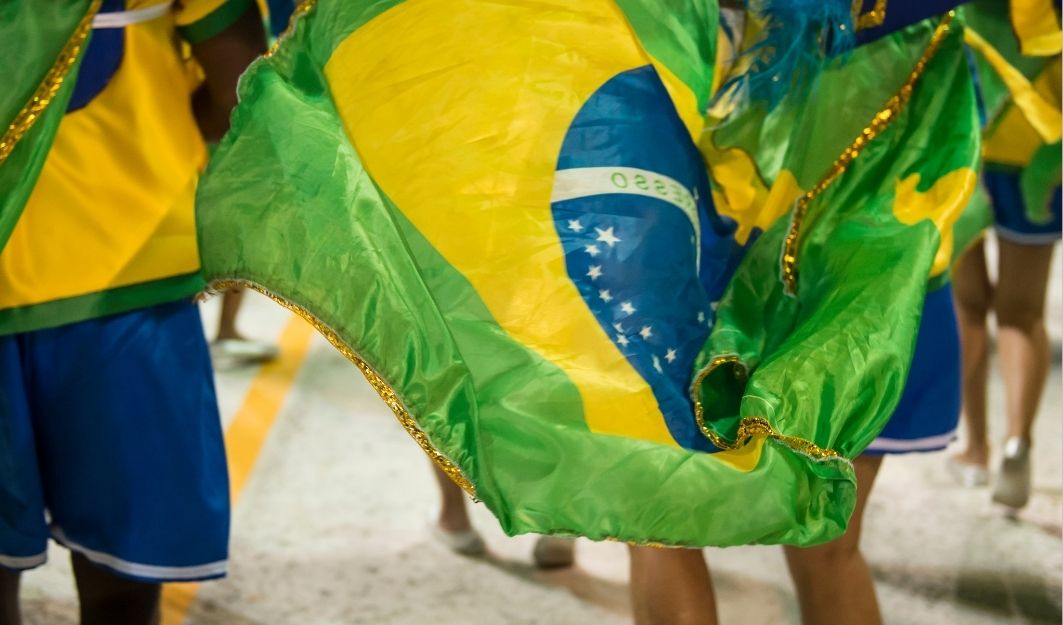
At just 17, Pelé announced himself on the world stage with dazzling performances in Sweden. His artistry, joy, and global appeal marked the start of football’s era of stardom and commercial growth making the game beautiful and marketable.
4. The 1966 World Cup and England’s Triumph
England’s lone World Cup victory on home soil remains iconic—not just for the win but for Geoff Hurst’s controversial “ghost goal.” It ushered in decades of debate and helped solidify England’s identity as a footballing nation despite long droughts of success.
5. The Hand of God and the Goal of the Century (1986)
In a single match against England, Diego Maradona delivered two moments that defined genius and controversy. His “Hand of God” goal and solo run from midfield reflected both football’s dark edge and transcendent brilliance—earning him legend status.
6. The Bosman Ruling (1995)
The European Court of Justice’s Bosman ruling revolutionized club football by allowing players to move freely at the end of their contracts. It reshaped player rights, wage structures, and transfer markets, laying the groundwork for today’s globalized club economy.
7. France Wins the 1998 World Cup with a Multicultural Team
France’s diverse squad led by Zidane, Thuram, and Desailly was a symbol of multicultural success. Their win sparked global conversations about race, immigration, and national unity, making football a platform for deeper social reflection.
8. The Rise of the UEFA Champions League Era
The rebranding and commercialization of the European Cup into the UEFA Champions League in 1992 redefined club football. Broadcast deals, global audiences, and superstar rivalries transformed it into one of the world’s most lucrative and influential competitions.
9. The 2010 World Cup in South Africa
Africa hosted the World Cup for the first time breaking historic barriers and showcasing the continent’s passion and potential. From Shakira’s anthem to the sound of vuvuzelas, the tournament was a cultural milestone for global inclusivity.
10. The Women’s Game Goes Mainstream (2019)
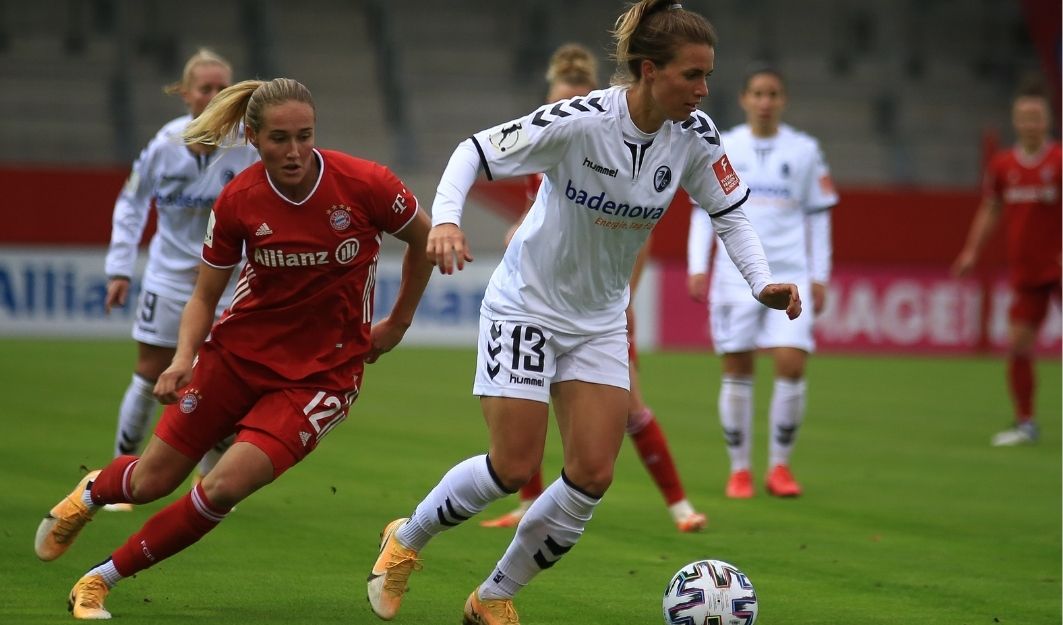
The 2019 FIFA Women’s World Cup shattered viewership records and amplified calls for gender equality in football. Megan Rapinoe and others became symbols of activism, proving that the women’s game is not only elite but essential to the sport’s future.
Conclusion: Moments Make Movements
Football’s legacy isn’t built solely on trophies, it’s forged in moments that spark change, challenge norms, and unite billions. These ten turning points didn’t just change matches—they changed minds, institutions, and societies.
As the game evolves, new moments will undoubtedly shape its future. But these events remain foundational in understanding how football became the most powerful sport on Earth.

Why American Soccer Fans Are Changing the Global Conversation
For decades, the United States was seen as a fringe player in the global soccer narrative a country where football (as the world knows it) played second, third, or even fourth fiddle to American sports giants like the NFL, NBA, and MLB. But the tide has turned. Today, American soccer fans are not just showing up—they’re transforming the global conversation around the sport.
A Growing, Passionate Fanbase
American soccer fandom has exploded in size and intensity over the past decade. Major League Soccer (MLS) expansion teams are drawing sell-out crowds. European leagues like the Premier League, La Liga, and Bundesliga are broadcast widely across U.S. networks, with millions tuning in weekly. Supporter groups are growing more organized, passionate, and vocal, matching if not surpassing the intensity of traditional footballing nations.
This grassroots energy has made American fans impossible to ignore. They aren’t just spectators—they’re culture makers, digital content creators, and community builders.
Digital Natives Shaping Global Discourse
Unlike traditional fanbases, many American soccer supporters are digital natives. They engage with clubs, players, and fellow fans through YouTube breakdowns, TikTok highlights, podcasts, Twitter threads, and Substack newsletters. This highly engaged, tech-savvy generation is influencing how football content is created, shared, and monetized on a global scale.
They're not just consuming the game they're reinterpreting it, remixing it, and exporting a uniquely American fan culture that blends traditional European influences with modern media sensibilities.
From Outsiders to Influencers
In the past, American opinions about football were often dismissed as irrelevant or uninformed. Today, American fans are being invited into the global football dialogue. U.S.-based podcasts, influencers, and analysts are gaining international credibility. American investors are buying European clubs. U.S. cities are hosting high-profile friendlies, tournaments, and even parts of the 2026 FIFA World Cup. The U.S. is no longer just a market it’s a driver of global strategy.

Diversity Driving a New Kind of Fandom
American soccer fandom reflects the country’s multicultural identity. Fans bring perspectives from Latin America, Africa, Asia, and Europe enriching the discourse with diverse voices, languages, and footballing philosophies. The result? A richer, more layered view of the game that’s broadening the definition of what it means to be a fan.
The Road to 2026 and Beyond
With the U.S. set to co-host the 2026 World Cup, American fans are poised to take center stage. Stadiums will be packed. Social feeds will be flooded. The global spotlight will burn bright. But more importantly, American fans won’t just be watching—they’ll be shaping narratives, challenging norms, and redefining what global football culture looks like in the digital age.
Conclusion
American soccer fans are no longer on the sidelines. They’re changing how football is watched, talked about, and experienced around the world. In a sport long dominated by tradition, their emergence signals something vital: the future of global football isn’t just about goals and trophies, it’s about voices. And the American voice is getting louder.

The Cultural Power of Football: More Than Just a Game
Football or soccer, as it’s known in some parts of the world—is more than a globally beloved sport; it is a cultural force that shapes national identity, sparks political dialogue, bridges divides, and drives economic influence. As the most watched and played sport worldwide, football holds a unique place in the collective consciousness of billions, making it a powerful lens through which to understand the world we live in.
A Global Language of Identity
Football transcends linguistic, cultural, and geographic boundaries. Whether it's a child kicking a ball on a dusty street in Lagos, fans packing out stadiums in Buenos Aires, or communities gathering around television screens in rural India, football represents a shared global experience. Nations find a sense of unity and pride in their national teams, often expressing identity and belonging through football allegiances.
Football and Politics: A Complex Relationship
Throughout history, football has mirrored political tensions and social upheaval. From the symbolic importance of matches during times of war to players taking a knee in support of racial justice, the pitch has long served as a stage for protest and progress. Football gives voice to communities that might otherwise remain unheard, and its reach into every corner of society makes it a potent tool for change.
Economic and Social Impact
The economic footprint of football is massive spanning clubs, leagues, apparel, broadcasting, and tourism. Major tournaments like the FIFA World Cup or UEFA Champions League generate billions in revenue and can reshape host cities and nations. Beyond the monetary impact, football plays a critical social role: it promotes physical activity, youth engagement, and grassroots development programs that foster community resilience.
Cultural Exchange and Soft Power
Football also functions as a form of soft power. Countries and clubs use the sport to build international reputation and cultural prestige. The sport’s ability to unite fans of different races, religions, and backgrounds makes it a conduit for cross-cultural understanding. The rise of international players in domestic leagues furthers global exchange and challenges traditional notions of nationalism.
Digital Transformation and Global Influence
With the rise of digital media, football's cultural dominance has only intensified. Social platforms amplify players’ voices, turning athletes into global influencers. Content streams across platforms in real time, enabling fans to engage directly with teams and each other. The sport is no longer just a game, it’s an evolving ecosystem of cultural, political, and technological convergence.
Conclusion
To understand the power of football is to understand the pulse of global culture. Its influence extends far beyond the stadium walls. For fans, brands, and policymakers alike, recognizing football as more than just a game reveals its true potential: a powerful, unifying force capable of shaping societies and futures around the world.

How Soccer Became the World’s Most Influential Sport
Soccer known as football outside of North America is not just a sport. It’s a global phenomenon that transcends language, borders, and cultural divides. From packed stadiums in Europe to grassroots pitches in Africa, soccer has evolved into the world’s most influential sport. But how did it get here? The rise of the global game is a story of simplicity, accessibility, and unparalleled cultural impact.
1. Simplicity Made It Universal
One of the core reasons for soccer's dominance is its simplicity. All you need is a ball and a bit of space. This accessibility made the sport attractive to communities across socio-economic classes worldwide. No expensive equipment. No complex rules to start. Just pure, raw play anytime, anywhere.
2. Global Events Like the FIFA World Cup
No sporting event matches the reach and cultural magnitude of the FIFA World Cup. With billions of viewers tuning in every four years, the tournament showcases international unity, national pride, and unforgettable moments. These massive events amplify the sport’s global relevance and visibility like no other.
3. Club Football and Global Fanbases
Elite clubs like Real Madrid, Manchester United, and FC Barcelona have cultivated global audiences far beyond their local borders. Through global broadcasting rights, international tours, and digital content, these clubs have turned local teams into international brands. This has fueled soccer’s influence in regions previously unfamiliar with the sport.
4. Political, Social, and Economic Power
Soccer is more than entertainment. It's often used as a tool for diplomacy, national branding, and social commentary. Whether it’s players speaking out on political issues or governments leveraging teams for soft power, soccer’s platform extends far beyond the pitch.

5. The Rise of Digital and Social Media
Modern technology has accelerated soccer’s rise, making it easier than ever for fans to engage. From TikTok highlight reels to live tweets during matches, the digital age has transformed passive fans into active participants in a 24/7 soccer culture. Clubs, players, and leagues now have direct relationships with fans, increasing loyalty and global reach.
6. Growing Influence in the U.S.
Traditionally considered secondary to sports like American football and baseball, soccer has seen an exponential rise in the U.S. The success of Major League Soccer (MLS), increased youth participation, and strong performances from U.S. teams in global competitions have solidified soccer's place in the American sports hierarchy.
7. Soccer as a Unifier
Few things bring people together like a dramatic World Cup final or a last-minute goal in a local derby. Soccer speaks a universal language. Its power to unify communities—whether during celebrations or crises cements its status as more than just a game.
Final Thoughts: Soccer's Cultural Reign Isn’t Ending Anytime Soon
Soccer's influence shows no signs of slowing. As emerging markets invest in infrastructure, women's soccer gains deserved attention, and digital platforms unlock new audiences, the sport is poised to deepen its global footprint.
For anyone looking to understand culture, politics, or global economics through the lens of sport, look no further than soccer the world’s game.