
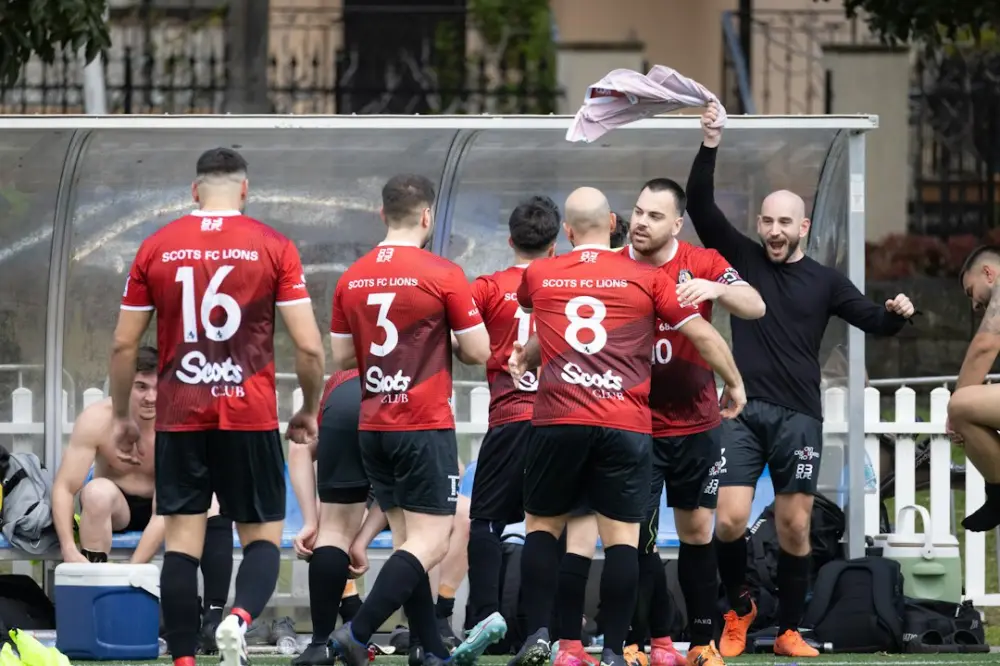
Welcoming new fans into football communities involves creating an inclusive environment where beginners feel comfortable learning traditions and lingo. It bridges the gap between casual observation and active participation through mentorship, fan clubs, and social events. By lowering barriers to entry, established supporters help grow the sport's culture and foster long-term loyalty among diverse groups.
While many start as solitary viewers, the sport’s true weight is felt through collective experience. Joining a local supporters' group at a neighborhood pub provides the necessary context for the drama on the pitch. This practical step gives newcomers access to decades of institutional memory and shared narratives that a broadcast alone cannot provide, transforming a simple game into a lifelong passion.
How Soccer Culture Shapes the Fan Experience
Soccer culture is a complex tapestry of rituals, songs, and historical grievances. For a newcomer, these elements can be intimidating. Understanding the nuances of a specific club’s identity helps a fan move from being a spectator to a participant. This transition is often eased by a guide to football fandom and the psychological bonds that form when people rally around a common cause.
Take, for example, the tradition of the pre-match march. In cities like Seattle or Dortmund, the walk to the stadium is as much a part of the game as the kickoff. For a new fan, being invited into that line of supporters provides an immediate sense of belonging. These cultural touchstones act as a social anchor, ensuring that even if the team loses, the community remains intact. Learning the specific meaning behind a banner or the origin of a 70th-minute chant allows a novice to feel like an insider rather than an observer.
5 Steps to Start Supporting a New Team
Becoming an active supporter requires more than just picking a team based on their jersey colors. It involves a deliberate effort to integrate into the existing culture. Here is a practical framework for the transition:
- Research Local and Heritage Ties: Look for clubs in your immediate geographic area or those that align with your family history. Local support allows for physical attendance, which is the fastest way to build community ties.
- Consume Fan-Led Media: Avoid only watching mainstream highlights. Seek out independent blogs and community forums. You will find that soccer podcasts are actually building a bridge for fans who cannot be at the stadium every week, providing the cultural context needed to understand internal club dynamics.
- Learn the "Unwritten" Rules: Every stadium section has its own etiquette. Some areas are for standing and singing, while others are more relaxed. Observe the behavior of seasoned fans during your first few visits to understand where you fit best.
- Attend a Watch Party: If you cannot get to the stadium, find a designated "team pub." These environments are often more approachable for beginners than the high-intensity atmosphere of a live match, allowing for conversation and questions during breaks in play.
- Invest in the Symbols: Wearing a scarf or a vintage kit is a silent signal to other fans that you are part of the group. It often serves as a conversation starter in public spaces, leading to new connections.
Perks of Joining a Local Supporters Group
Supporters groups (SGs) function as the heartbeat of football culture. For a new fan, joining an SG provides immediate logistical benefits. Many groups organize group-rate tickets, which are often cheaper and located in the most vibrant sections of the stadium. They also coordinate travel for away matches, turning a potentially difficult trip into a structured social outing.
Beyond logistics, these groups offer a sense of security. In a large stadium, having a consistent group of people to stand with makes the experience less overwhelming. For instance, many chapters of the American Outlaws or European ultras groups hold "new member" orientations or pre-game mixers specifically designed to introduce beginners to the group’s leadership and traditions. This structured welcoming process reduces the social anxiety often associated with entering established subcultures.
How Being a Fan Improves Your Own Game
For those who play in amateur or Sunday leagues, active fandom serves as a form of tactical education. Watching a professional match through the lens of a supporter allows you to focus on specific roles rather than just following the ball. When you are invested in a team, you tend to watch their matches more closely, noticing the off-the-ball movements and defensive structures that casual viewers miss.
A concrete example is the "Rodri effect" in modern defensive midfield play. An amateur player who supports a team utilizing a single pivot can study how that player positions themselves to break up counter-attacks. By discussing these tactics with more experienced fans in a community setting, a beginner can translate professional strategies into their own recreational play. The community acts as a classroom where collective knowledge is shared freely.
Overcoming Social Barriers in Football Circles
Gatekeeping is a common hurdle in sports culture. New fans are sometimes labeled "plastic" or "glory hunters" if they choose a successful team or lack deep historical knowledge. Overcoming these barriers requires a mix of persistence and the right environment. Established fans have a responsibility to mentor rather than exclude, recognizing that every veteran was once a novice.
Practical ways to bypass gatekeeping include asking sincere questions about club history during low-stakes moments, such as halftime. Most long-term fans are eager to share their knowledge if they feel the newcomer is genuinely interested in the club’s heritage. Additionally, focusing on the current squad and showing up consistently—regardless of results—is the most effective way to earn respect within a football circle. Reliability is the currency of the terraces.
Building Inclusive Spaces at Gringos at the Gate
At Gringos at the Gate, the focus is on the intersection of global football culture and the personal stories that define fandom. We recognize that the journey from a casual observer to a dedicated supporter is often paved with challenges, especially when crossing cultural or geographic borders. Our goal is to provide a platform where the nuances of the beautiful game are accessible to everyone, regardless of how long they have been following the sport.
By highlighting the narratives of rival fans and the unique traditions of supporters across the globe, Gringos at the Gate fosters a community that prizes storytelling over gatekeeping. Whether you are navigating the complexities of a local derby or trying to understand the global impact of a specific league, our resources are designed to help you find your place in the stands. Football is at its best when the gate is left open for the next generation of fans to walk through.